Too many toolbox talk workshops are scripted, repetitive, and forgettable. Workers zone out. Supervisors rush through checklists. Safety gets reduced to a box-ticking exercise. But when done right, a toolbox talk workshop can ignite real behavioral change, surface hidden risks, and build a culture where safety is personal—not procedural.
The difference? Focused topics, real-world relevance, and interaction. This guide gives you practical, field-tested toolbox talk topics and workshop structures that engage crews, address actual site risks, and drive accountability.
What Is a Toolbox Talk Workshop?
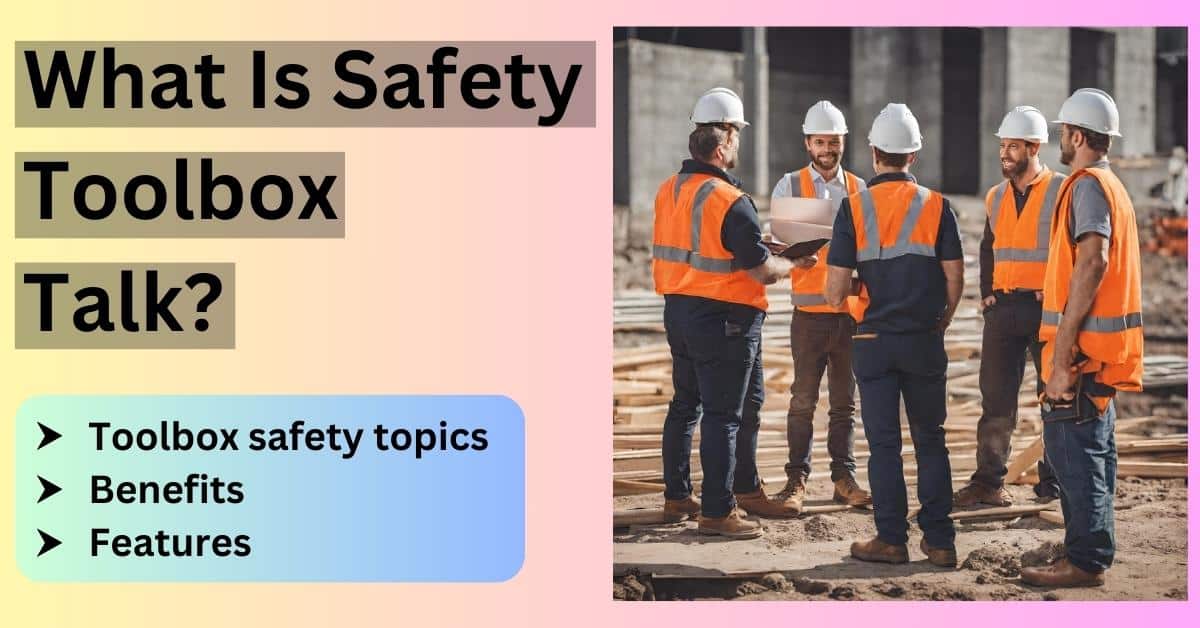
A toolbox talk workshop is a short, targeted safety meeting—usually 10 to 15 minutes—designed to address specific hazards, reinforce safe practices, or introduce new protocols. Unlike broad safety orientations, these sessions focus on immediate, job-specific concerns.
Workshops go a step further. Instead of just presenting information, they engage workers in discussion, scenario planning, and problem-solving. The goal isn’t just awareness—it’s action.
Think of it this way: - Basic toolbox talk: “Here’s how to wear a harness.” - Toolbox talk workshop: “Let’s review near-miss reports from last week, walk through anchor point selection, and troubleshoot common mistakes on this site.”
Workshops create shared ownership of safety.
10 High-Impact Toolbox Talk Topics for Any Industry
Choose topics based on current risks, seasonal factors, and incident trends. Rotate themes to maintain engagement. Below are 10 proven topics that resonate across construction, manufacturing, utilities, and maintenance roles.
1. Hazard Recognition in Dynamic Environments Workers often miss evolving risks—like shifting ground conditions, temporary overhead lines, or mobile equipment paths. Use photos from your own site to highlight subtle cues: cracked pavement near excavations, frayed cords near water, or blind spots at intersections.
Workshop activity: Show three real site photos. In small groups, have teams identify hazards and suggest controls. Reconvene to compare notes.
2. Proper Use of Fall Protection Systems Even with gear available, misuse is common. Discuss harness fit, anchor strength, and fall clearance. Emphasize that “wearing” PPE isn’t the same as “using it correctly.”
Common mistake: Workers connecting to weak anchor points (e.g., handrails not rated for fall arrest).
Workshop tip: Bring in a set of harnesses. Have team members inspect and don them, while others check for errors like loose leg straps or incorrect D-ring use.
3. Hot Work Safety and Fire Prevention Welding, cutting, and grinding create high-risk situations. Focus on fire watch procedures, combustible material clearance, and emergency response.
Real case: A maintenance crew ignited insulation dust during a routine cut. No fire watch was assigned. Result: $40K in damage and a 3-day shutdown.
Workshop drill: Simulate a hot work permit review. Have teams verify fire extinguishers, signage, and communication plans.
4. Excavation and Trenching Hazards Cave-ins kill. Yet many workers enter trenches without proper shoring or slope checks.
Key talking points: Soil type recognition, spoil pile distance, atmospheric testing in deep trenches.
Workshop idea: Use sand trays or diagrams to model safe sloping (e.g., 1.5:1 for Type C soil). Let crews sketch their own solutions.
5. Electrical Safety Around Overhead and Underground Lines Contact with live lines is a leading cause of fatalities. Reinforce minimum clearance distances and use of spotters.
Critical tip: Emphasize that voltage can arc—touch isn’t required for electrocution.
Workshop exercise: Walk a simulated route with marked “power lines.” Have operators call out hazards and correct procedures before proceeding.
6. Manual Handling and Ergonomic Risks Back injuries are among the most common—and preventable—workplace injuries. Address lifting techniques, team lifts, and mechanical aids.
Myth to bust: “I’ve lifted it this way for 20 years.” (Experience doesn’t negate cumulative strain.)
Workshop activity: Set up a mock lift with awkward loads. Test posture, grip, and team coordination.
7. Confined Space Entry Procedures
Many workers don’t realize what qualifies as a confined space—a storage tank, utility vault, or even a deep sump.
Focus areas: Air monitoring, entry permits, rescue plans.
Workshop drill: Role-play a permit request. One team “applies,” another reviews it. Highlight missing elements like lockout/tagout or attendant responsibilities.
8. PPE Inspection and Maintenance PPE fails when it’s damaged or outdated. Helmets degrade. Gloves wear thin. Respirators lose seal.
Workshop task: Distribute used PPE. Have crews inspect and tag items as “safe,” “repair,” or “discard.” Use a checklist.
9. Weather-Related Safety (Heat, Cold, Wind) Environmental factors change daily. Use this talk to review site-specific protocols.
For heat: Hydration schedules, buddy checks, shade breaks. For cold: Layering, frostbite signs, equipment warm-up.
Workshop idea: Run a “weather prep” drill. Based on forecast data, have crews list required adjustments to the day’s work plan.
10. Near-Miss Reporting and Psychological Safety A culture of silence hides risks. Normalize reporting close calls without blame.
Workshop approach: Share an anonymous near-miss story. Ask: “What went wrong? How could it have been worse? What would you do differently?”
Goal: Show that reporting isn’t snitching—it’s saving lives.
How to Structure a Toolbox Talk Workshop
A successful session follows a simple but deliberate flow. Deviate from the lecture model. Prioritize participation.
Step 1: Start with a Real Incident (1–2 min) Open with a brief story—ideally from your site or a similar operation. Example: “Yesterday, a ladder slipped during a roof access. No one was hurt, but it could’ve been serious.”
This anchors the topic in reality.
Step 2: Define the Hazard and Risk (2–3 min) Explain the danger clearly. Use simple terms. Avoid jargon. - “Working at height without fall protection = high risk of serious injury.” - “Overhead power lines within 10 feet = potential electrocution.”
Step 3: Engage
with a Scenario or Activity (5–7 min)
This is the core. Options: - Group discussion: “What would you do?” - Hands-on inspection: Test gear, examine equipment - Role-play: Simulate an emergency response - Visual quiz: Spot the hazard in a photo

Step 4: Review Controls and Best Practices (2–3 min) Summarize key actions:
- Use guardrails
- Maintain 10-foot clearance from lines
- Conduct pre-use checks
Keep it short. Use visuals if possible.
Step 5: Confirm Understanding and Accountability (1–2 min) End
with:
- “Who’s responsible for checking ladders today?”
- “If you see a frayed cable, what’s the next step?”
Assign actions. Document attendance and topics.
Common Mistakes That Undermine Effectiveness
Even well-intentioned workshops fail when these pitfalls aren’t addressed.
❌ Topic Isn’t Site-Specific
Using generic slides about “general fall protection” misses local risks. Customize every talk. If your crew works on scaffolds daily, focus on scaffold integrity checks—not just harness use.
❌ No Worker Input Monologues don’t work. Ask open-ended questions:
- “What’s the trickiest part of working near forklifts here?”
- “Where do you see shortcuts being taken?”
Listen more than you talk.
❌ Inconsistent Scheduling Random talks lack impact. Schedule weekly or per shift change. Treat them like mandatory tools—part of the daily routine.
❌ Skipping Documentation If it wasn’t recorded, it didn’t happen (to regulators). Track: - Date - Topic - Facilitator - Attendees - Key takeaways
Use digital logs or paper sign-in sheets.
❌ Ignoring Language or Literacy Barriers If half your crew speaks Spanish, conduct talks in Spanish. Use visuals, gestures, and bilingual leads. Safety isn’t negotiable—communication must be clear.
Workshop Tools and Resources
You don’t need high-tech gear, but the right materials improve engagement.
| Tool | Purpose | Tip |
|---|---|---|
| Whiteboard or flip chart | Visualize hazards, sketch solutions | Keep it simple—arrows, circles, stick figures |
| Real PPE or equipment | Hands-on inspection | Rotate items weekly |
| Site photos or videos | Highlight real conditions | Blur faces; get permissions |
| Hazard cards | Scenario prompts | Print common risks on cards for group draws |
| Digital checklists | Track attendance and topics | Use apps like SafetyCulture or Google Forms |
Bonus: Record short video snippets of workers demonstrating correct procedures. Play them during onboarding or refresher talks.
Making It Stick: Follow-Up That Matters
A workshop doesn’t end when the crew disperses. Reinforce the message.
- Spot checks: Visit crews later. “Remember this morning’s talk on ladder stability? How’s your setup?”
- Visual reminders: Post photos or key points near high-risk areas.
- Feedback loop: Share outcomes. “Because you flagged that damaged hoist, we replaced it—great catch.”
Recognition fuels participation.
Also, review past talks during safety audits. Ask: “Did these messages lead to behavior change?” Adjust topics based on incident trends.
Run Better Safety Conversations Starting Tomorrow
A toolbox talk workshop shouldn’t feel like another safety lecture. It’s a tactical safety huddle—focused, interactive, and grounded in real work.
Pick one high-risk area. Gather your crew. Use a real photo, a broken tool, or a near-miss story to open the conversation. Ask questions. Let workers lead parts of the discussion. Document it. Follow up.
Repeat weekly. Rotate topics. Listen closely.
Over time, these small sessions compound into a sharper, safer, more accountable team.
Start not with policy—but with people.
Frequently Asked Questions
What’s the difference between a toolbox talk and a workshop? A toolbox talk is usually informational. A workshop includes interaction, problem-solving, and skill practice.
How long should a toolbox talk workshop last? Aim for 10–15 minutes. Longer sessions risk losing attention.
Who should lead the workshop? Supervisors, safety officers, or experienced crew members—anyone trained and familiar with the topic.
Can office staff participate? Yes. Topics like ergonomics, fire evacuation, or weather safety apply to all.
How often should we hold these workshops? Weekly is ideal. Daily for high-risk tasks or new crews.
Should we document every session? Yes. Documentation proves compliance and helps track recurring issues.
Can we reuse topics? Yes—but refresh examples and activities. Revisit critical topics quarterly.
FAQ
What should you look for in Toolbox Talk Topics Workshop: Practical Ideas for Safer Teams? Focus on relevance, practical value, and how well the solution matches real user intent.
Is Toolbox Talk Topics Workshop: Practical Ideas for Safer Teams suitable for beginners? That depends on the workflow, but a clear step-by-step approach usually makes it easier to start.
How do you compare options around Toolbox Talk Topics Workshop: Practical Ideas for Safer Teams? Compare features, trust signals, limitations, pricing, and ease of implementation.
What mistakes should you avoid? Avoid generic choices, weak validation, and decisions based only on marketing claims.
What is the next best step? Shortlist the most relevant options, validate them quickly, and refine from real-world results.
)